›
Honeybee Democracy
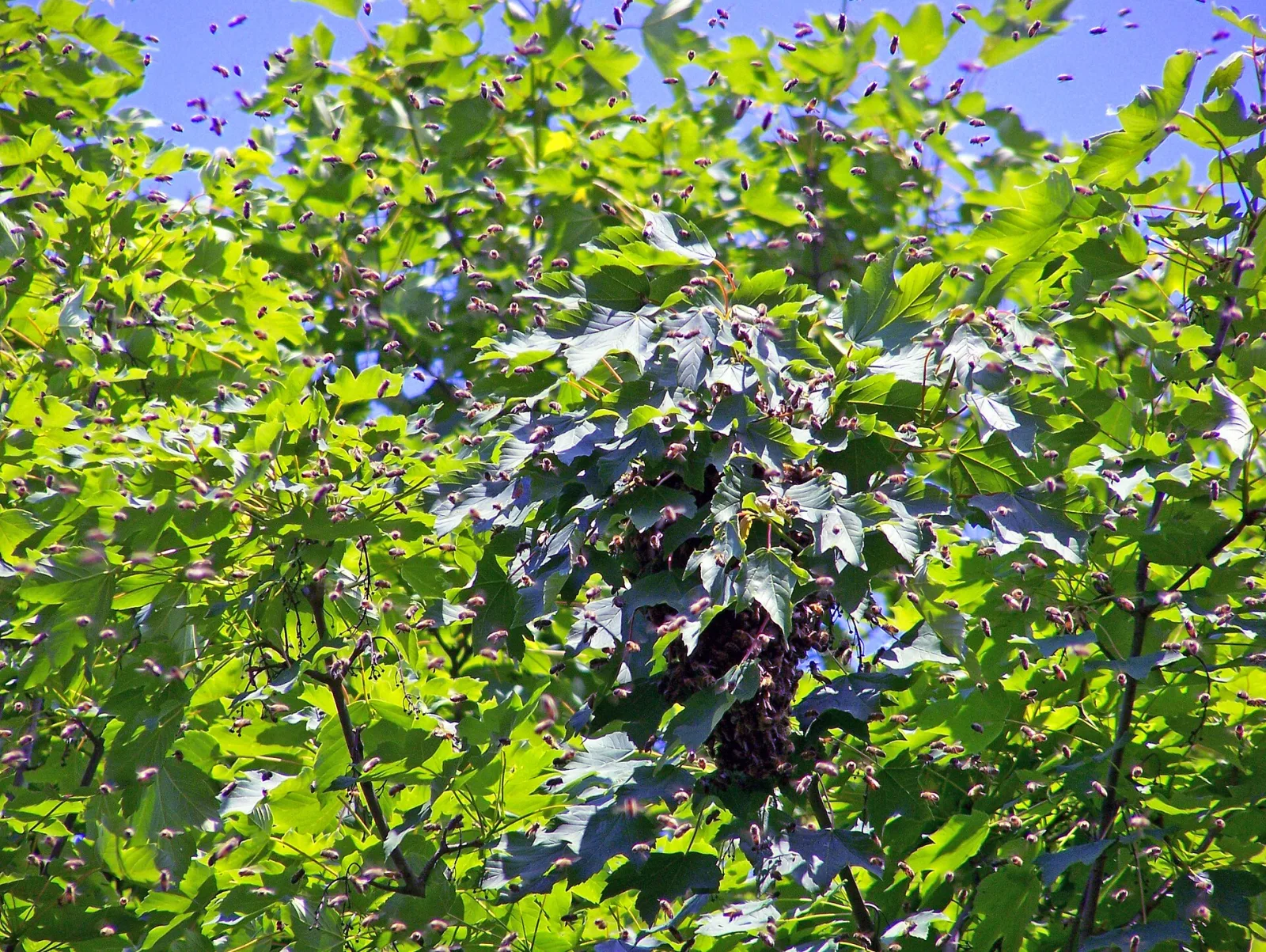
Then you're already on the path. The book opens with a Bavarian beekeeper named Martin Lindauer, in 1957, watching swarms hanging in the air on tree branches. They hang there for a few hours or a few days. They are looking for a new home. Lindauer noticed that during these hours, certain bees were dancing.
The dance had been described decades earlier by Karl von Frisch, who showed that foraging bees use it to communicate the direction and distance of food. Lindauer's question was different. The hanging swarm was not foraging. It was deciding. What were the bees dancing about?
He spent days watching. He found that different bees were dancing about different places — different hollow trees, different cavities, different sites the scouts had investigated and were now reporting back. Some bees danced more vigorously than others. Some scouts changed their minds and danced for a different site after seeing what their neighbors were proposing. Eventually the dances converged. The swarm rose, in a single body, and flew to one tree.
Lindauer's notebooks suggest he understood, by the early 1960s, that what he was watching was a vote. He did not have the language for it. Tom Seeley would spend the next thirty years giving him the language.
We can stay with Lindauer for one more moment — he wrote a beautiful book of his own, Communication Among Social Bees, that is more poet than scientist — or we can move forward to Seeley. Where to?
Seeley
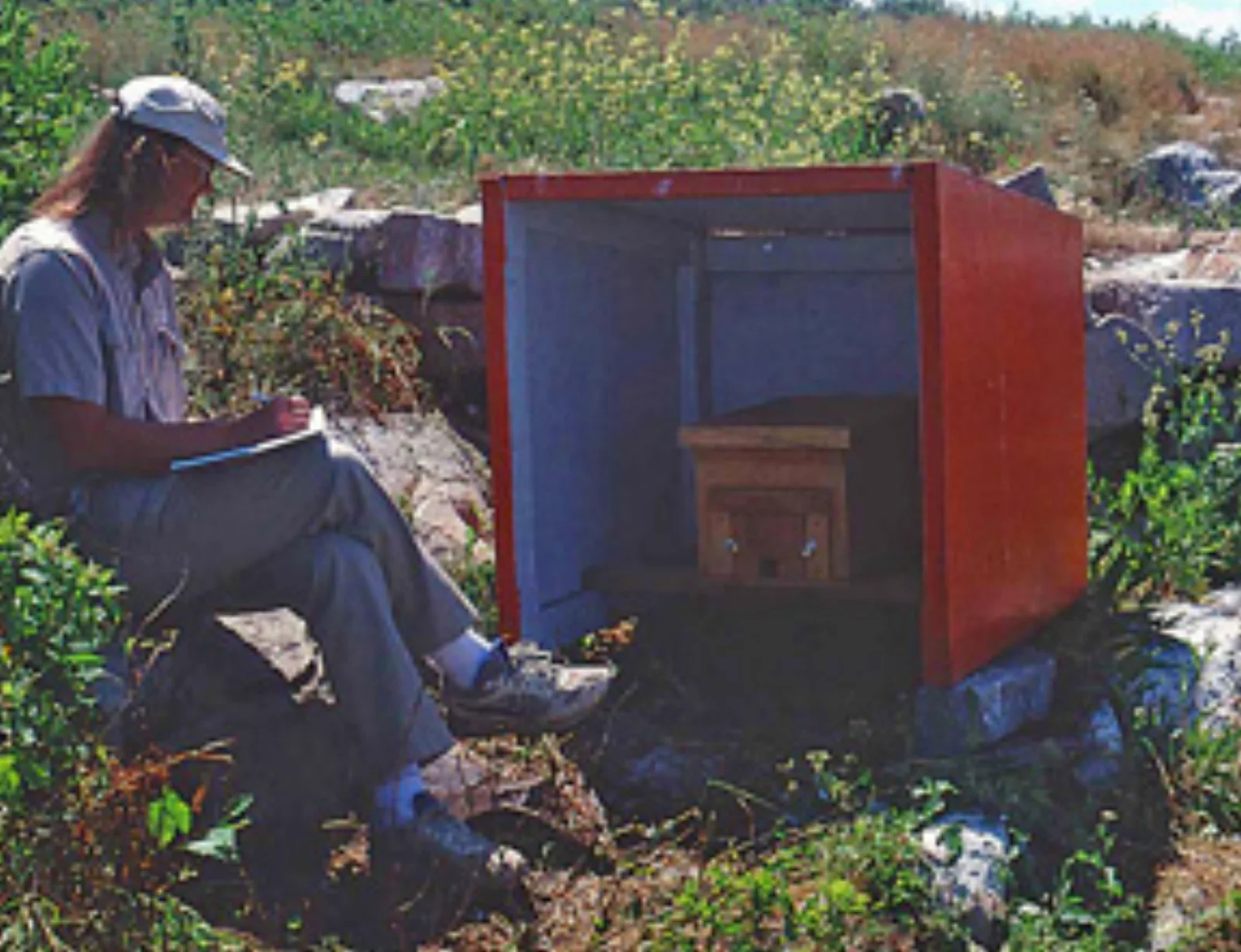
Tom Seeley spent thirty years on Appletree Island, two miles off the coast of Maine, watching swarms vote. Not metaphorically. Literally voting.
He showed that several hundred scout bees fan out to look for nest sites — hollow trees, mostly. Each scout comes back and dances about what she found. The dance is an argument. Other bees follow the dance, fly out, see for themselves, come back, and dance their own opinion. Some of them switch positions after seeing better options. A scout that has changed her mind dances less vigorously than one who has just discovered.
The swarm, hanging from the branch, is a noisy parliament. Different scouts dancing for different sites. Different bees being recruited toward different proposals. The number of bees committed to a particular site grows when the site is good — easier to defend, big enough for winter stores, dry, warm — and shrinks when the site is poor.
What Seeley found was that the colony does not vote by majority. It votes by quorum. Once a particular site has accumulated enough committed scouts — fifteen or twenty bees, in his measurements — the threshold tips and the whole swarm commits. The bees rise as one body and fly to the new home.
The accuracy rate, across hundreds of swarms Seeley observed, is over ninety percent. The bees agree on the right tree about ninety percent of the time. Individual bees, given the same options without the dance, are roughly fifty percent accurate. The collective is wiser than any single member.
There is no central decider. The queen does not decide. The queen is busy being a queen — laying eggs. The decision is the swarm itself.
From here, the path can cross to three places. Hawkins on cortical voting — what if the human brain decides like a swarm? Sociocracy — what if a human institution tries to decide like a swarm? Or sideways to Donna Haraway, who would call the bees a multispecies parliament rather than a model for human governance.
Sociocracy
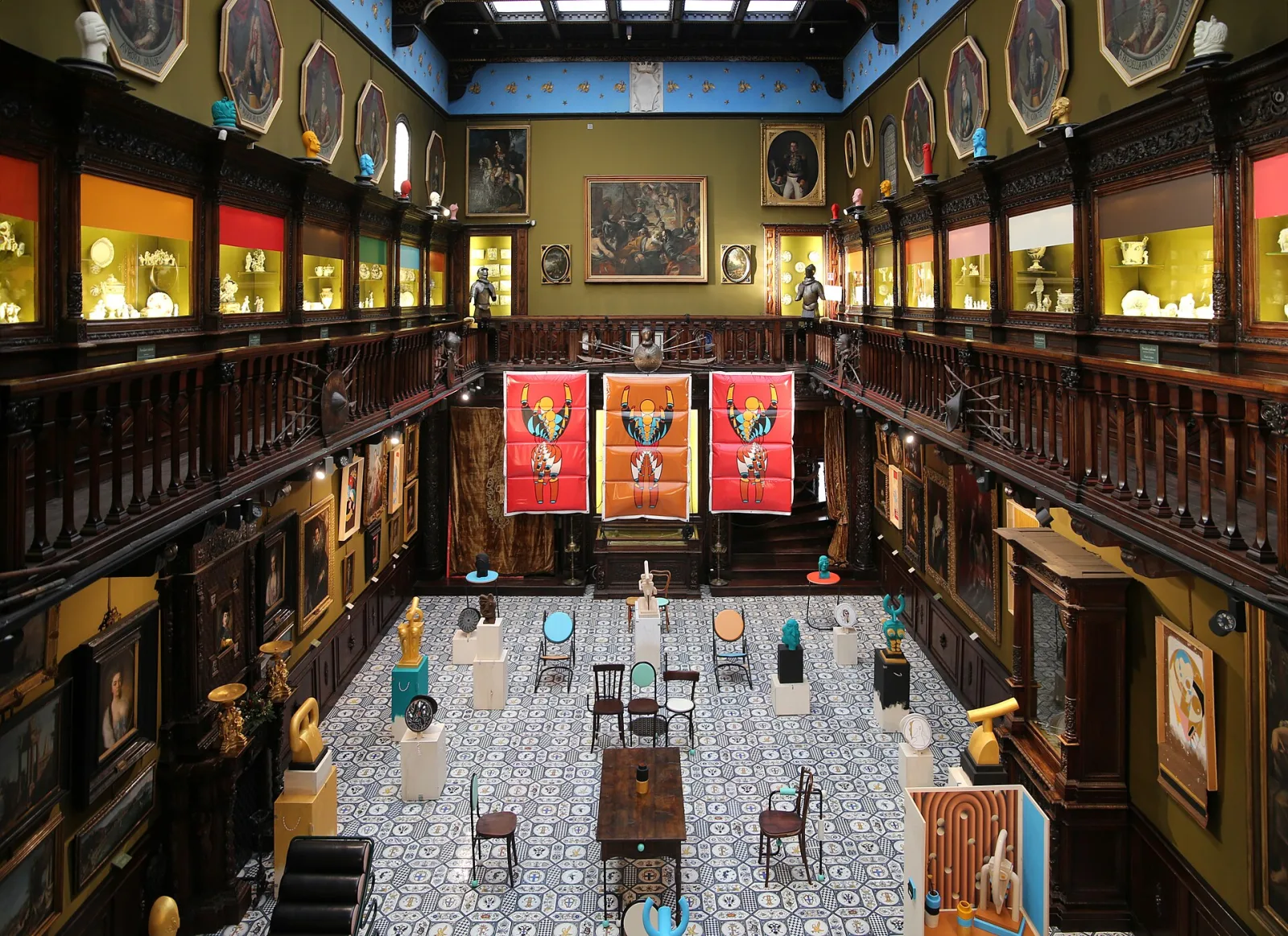
In a former asylum in Naples, twelve people learn to govern themselves without a director. They are running a cultural center called Ex Asilo Filangeri. They have been doing it since 2012.
The system is called sociocracy. It comes through a long line. Auguste Comte coined the word in the 1850s. The Quaker engineer Kees Boeke revived it in the Netherlands in the 1940s, working through a private school. Gerard Endenburg put it into operating shape in Rotterdam in the 1970s, designing it for an electronics company that needed to make decisions without a hierarchy. The version that Ex Asilo uses today is closer to Endenburg's.
The core move is consent, not consensus. A proposal passes when no one in the circle has a paramount objection. Not when everyone agrees. Not when the majority votes yes. The difference is large.
Like the bees, sociocracy has no central decider. Like the bees, the system can update itself when better information arrives — a paramount objection is the human version of the scout that changed her mind. Unlike the bees, sociocracy has to deal with ego. The whole apparatus of doubly-linked circles, election by consent, and structured rounds of speaking exists to manage that.
Adam Ostolski, the Polish political theorist, has spent the past decade arguing that sociocracy is what democracy is becoming as it leaves the legislature. The legislature, he says, is a hierarchy pretending to be a democracy. Sociocracy is what democracy looks like when it stops pretending.
We can stay in the political-systems thread — Ostolski's full argument, the Quaker meeting that fed Boeke, the older anarchist tradition that Comte was reacting against — or cross sideways to Donna Haraway, who reads the bees as something other than a model for human governance.
Haraway
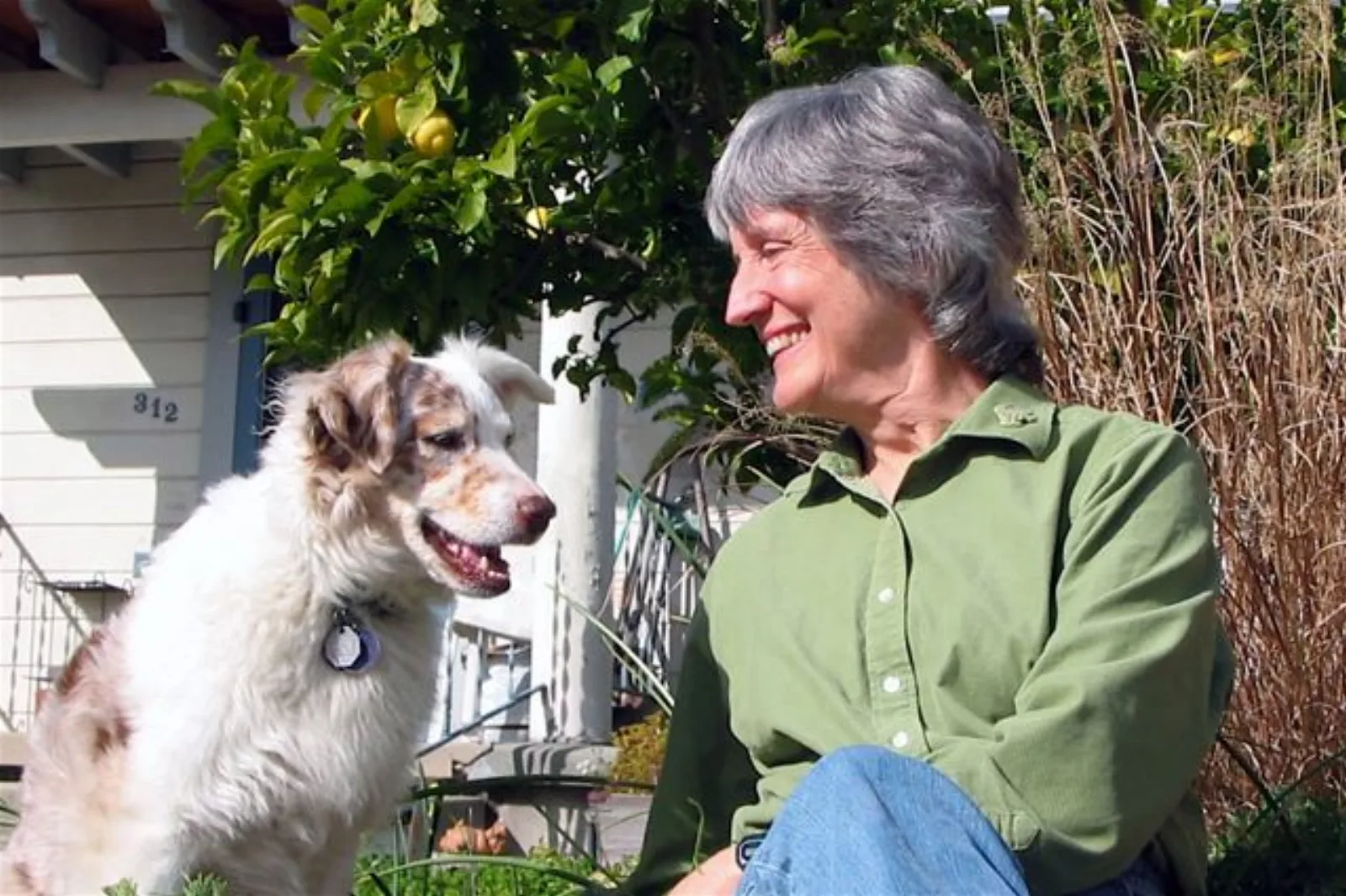
Donna Haraway has spent forty years arguing that the line between human and nonhuman is the wrong line.
She wrote The Companion Species Manifesto in 2003. It opens with a sentence about her dog, Cayenne: "She is a domestic. I am a tame thing too." It is not a joke. It is the argument.
Read Haraway alongside Seeley and the bees stop being a metaphor. The bees are not teaching us how to vote. The bees are voting. We are also voting. The honeybee colony and the human polity are two species in the same multispecies parliament — both deciding things, both bound to each other through pollination economies and pesticide debates and the decline of the colonies that follows from how we vote. The bees vote on where to live. We vote on whether they live. Neither vote is metaphorical.
Haraway's later book, Staying with the Trouble (2016), pushes this further. She introduces the concept of making kin — the political work of recognizing that one's relations include nonhuman others, and that those others have standing. The bees have standing. The fungi have standing. The river has standing. The political question is what it costs us to keep pretending they don't.
This is the move that makes the rest of the walk possible. From here, every node is a question about how a body — a swarm, a crowd, a river, a forest — votes, and what kind of multispecies parliament it sits in.
The next nodes can be more bodies. Jérôme Bel will choreograph a stage that thinks as one. Mia Habib will choreograph a crowd in flight. Or we can move sideways to Te Awa Tupua, the Māori river that was granted legal personhood in New Zealand in 2017.
Bel
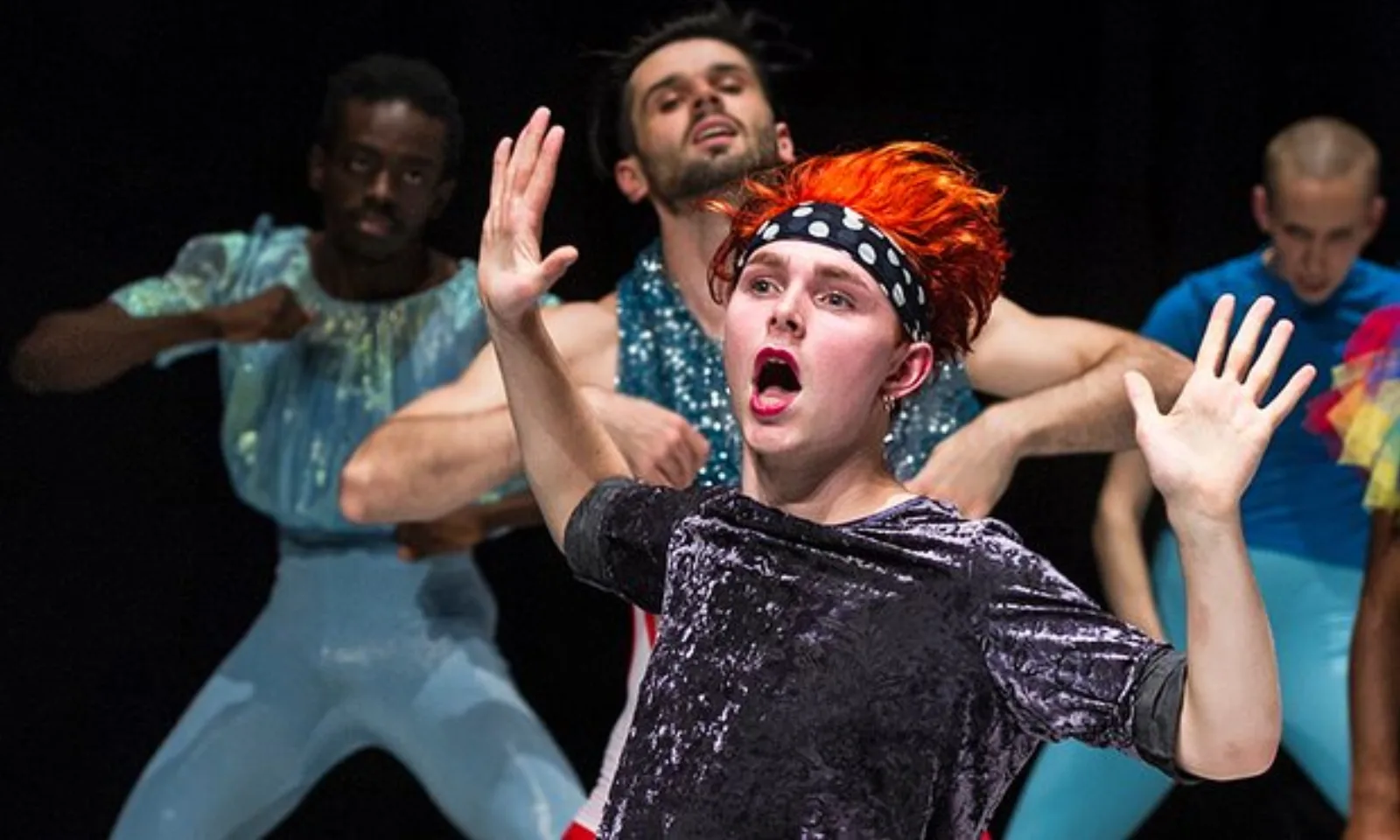
Jérôme Bel has been making dances about the audience since 1994. He likes to put bodies on stage that do not read as dancers. Untrained bodies. Children's bodies. Disabled bodies. In Disabled Theater (2012), the cast is eleven actors from Theater HORA in Zurich, all with cognitive disabilities, doing a dance each. In Gala (2015), the cast is twenty performers from a single city — mostly amateurs — doing a few things they each do well, and slowly learning to do them at the same time.
What Bel makes visible is the composition of a crowd. The bees disagree before they agree. The scouts dance different proposals. Bel's stage works the same way. The dancers are not synchronized at first. They are each themselves. The first dance is an old man doing ballet. The second is a child doing waltz. The third is a teenager doing a Beyoncé routine. Each one is alone with the choreography.
By the last number — Sacre du Printemps — they are doing it together. Not uniform. Not in unison. But a recognizable collective body. The composition is the piece. What you watched, in the previous forty-five minutes, was twenty individuals becoming a swarm.
Bel does not call it democracy. He calls it choreography. Seeley would say they are the same word.
The walk goes through one more node before it asks you to leave a mark.
Habib
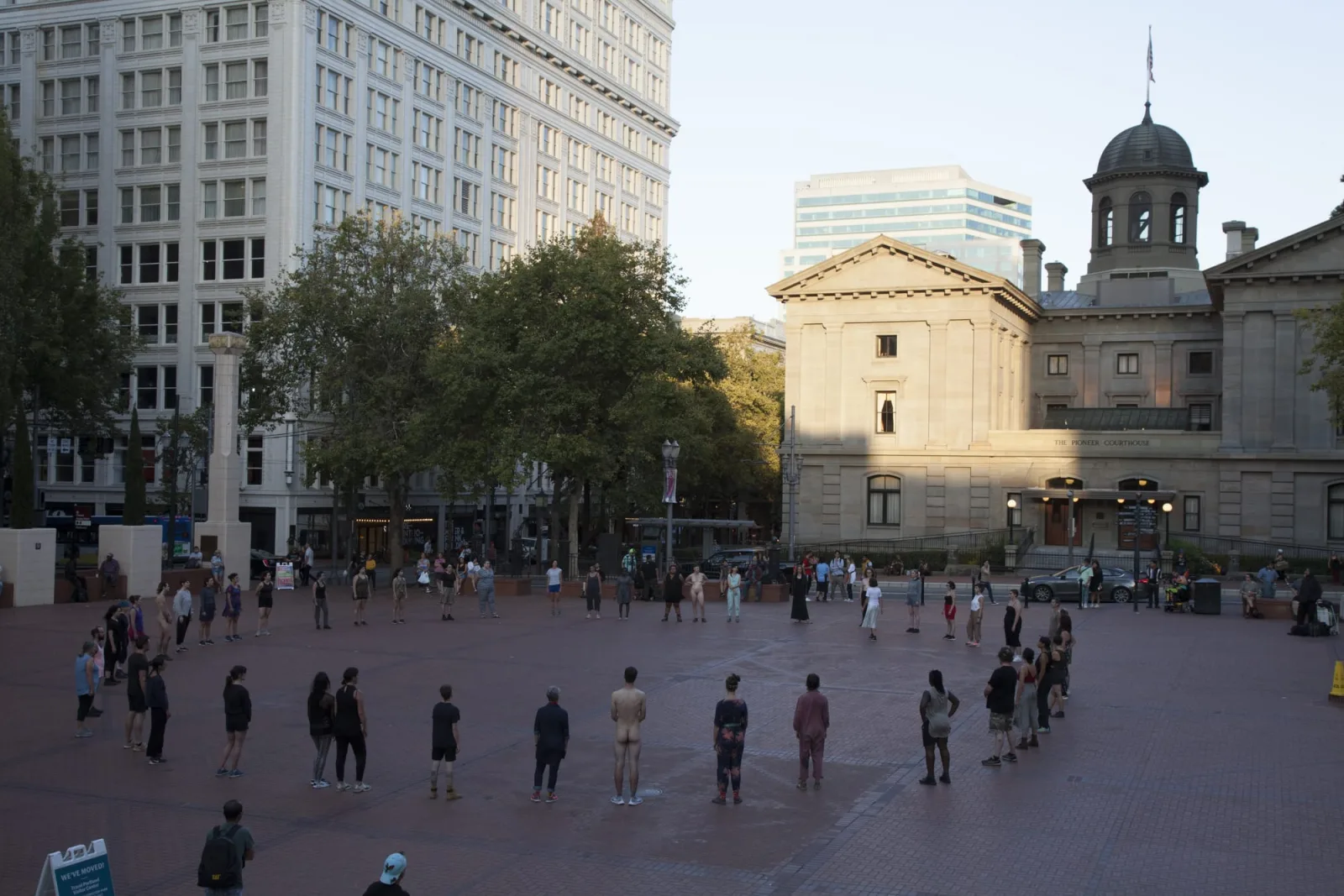
Mia Habib's All places fifty bodies on a stage and walks them. They are bodies in motion as a crowd. They cohere and disperse and re-cohere. Sometimes the crowd is moving toward something. Sometimes it is fleeing. The same gesture reads, depending on context, as a procession or as a refugee passage.
Habib worked on All for several years before its premiere in 2018. The dancers are international, of mixed training, of mixed language. They learn to move as a crowd through a long rehearsal process that starts with simple proximity — being close to each other — and ends with the choreography you see on stage. They do not memorize steps. They learn to read the crowd, the way scout bees read the dance.
This is the place where Seeley's swarm and Bel's stage and Haraway's multispecies parliament all converge. A crowd of fifty people moving as one body is also a swarm. It is a multispecies thing — every body in the crowd is full of microbes, and the choreography moves them too. It is also a political thing — every crowd in motion is a vote about where to be.
Habib's bodies have been described, by the critic Roslyn Sulcas in the Times, as a piece of choreography about democracy. They could equally be described as a piece of biology. The walk we have just been on says: those are the same thing.
The piece does not end. After ninety minutes the dancers walk off the stage one at a time, until one is left, and then she is gone. The audience sits in silence for a long time. There is no curtain call.
The walk does the same thing now.
Leave a mark
That was the Democracy walk. Or one version of it. Other walkers have taken it through Jeff Hawkins on cortical voting, through Te Awa Tupua, through Adam Ostolski, through Martin Lindauer's notebooks. The path forks at every node. Yours has been one of many possible walks.
Right now, eleven other people are still walking. One is in Haraway. One is at Te Awa Tupua. Two are at Seeley. One has just left a mark at Bel.
Before you go, you can leave a mark on this walk. A sentence. A link. An image. The next walker who comes through one of the nodes you crossed will see it. The curator team will read it before it appears.